
I've Seen This Before
The last time Hollywood's economics shifted overnight, I watched careers disappear. This time is different.

The Reality TV Moment, Repeating
When I was coming up as an actor, years before originating and developing Film3 or earning awards as a filmmaker there was a well-understood path.
You built a career incrementally. Guest stars. Recurring roles. A co-star that turned into something steadier. If you were lucky, and good, you might land a series regular, and alongside that, you’d do films, theatre, or indie work to deepen your craft. It wasn’t easy, but it was a system that, at least in theory, created opportunity. Sustainable work. Union protections. A ladder.
Then reality television hit.
I watched it happen in real time. Networks realized they didn’t need scripted shows to fill time slots. They didn’t need SAG actors. They didn’t need writers’ rooms. They could produce unscripted content with non-union performers for a fraction of the cost—and audiences watched. By the mid-2000s, reality programming had exploded from a handful of shows to dominating prime time, and those scripted slots we’d all been climbing toward? They disappeared almost overnight.
What was lost wasn’t just jobs. It was careers that never had the chance to begin.
Entire ecosystems of working actors, writers, and directors were quietly erased, not because audiences rejected storytelling, but because economics changed faster than culture could respond. And as always, marginalized and underrepresented performers, already fighting for fewer slots, lost the most.
That’s the moment I keep thinking about now.
Because we’re here again…. but not exactly.
This time, the tools point in a different direction. Not toward fewer opportunities, but more. Not toward erasure, but expansion, if we build it right.
The AI Debate Is Missing the Point
Even James Cameron, one of the most technologically forward filmmakers of our time, has been clear that AI will play a role in the future of filmmaking. He has spoken openly in multiple interviews about its potential to reduce costs, accelerate workflows, and expand what’s creatively possible in production.
At the same time, Cameron has been explicit about where he personally draws a boundary. In an interview with Variety, he said, “I’m not personally interested in using those tools, in using any pathway that uses technology to replace human creativity.” He continued, “We may be able to replace an actor [with a generative character]. I say ‘we’, but I wouldn’t do it. Is it desirable? Does it create that unique character that is based on two sets of unique human experiences, the screenwriter’s and the actor’s?”
I understand the instinct. We all do.
As an actor and a director I can tell you, there’s something sacred about human performance. The breath. The unpredictability. The presence you can’t manufacture. That’s worth protecting. Cameron isn’t wrong to feel protective of it. I feel protective of it.
But here’s the uncomfortable truth: we already crossed that line decades ago.
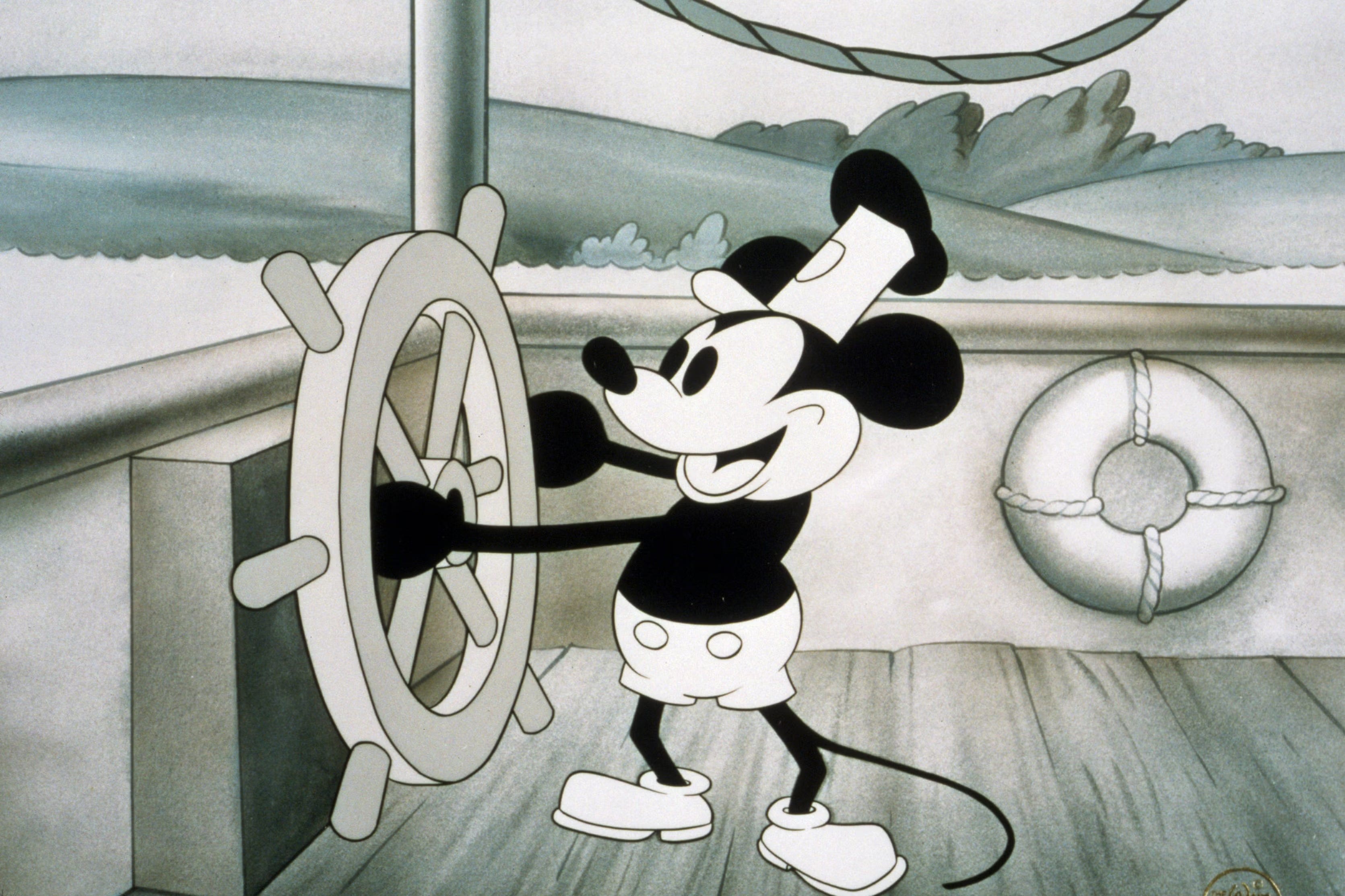
Mickey Mouse didn’t kill acting. Motion capture didn’t kill acting. Voice acting didn’t kill acting. Games didn’t kill acting.
They expanded it.
An actor performing motion capture for a game is still acting. An actor voicing Moana is still acting. A performer bringing life to a digital body is still doing the work… emotionally, physically, creatively.
What’s new now isn’t the idea of digital performance.
It’s the fidelity.
A New Medium, Not the End of One
We now have characters that are animated but read as live-action. That’s the shift. That’s what’s unsettling.
But conceptually? This isn’t unprecedented. It’s a new vertical - new tools, new workflows, new economics, not the death of performance.
In fact, I suspect the opposite may be true.
Live-action human performance may become more special, not less. More intentional. More meaningful. More scarce in the best way.
And paradoxically, this could make great actors more available.
If some production shifts toward AI-driven or animated-live-action work, it lowers barriers for writers and directors who historically never had access to top-tier performers. Actors who once relied exclusively on legacy gatekeepers may find new pathways, through voice, motion capture, hybrid performance, or collaborations that didn’t exist before.
I’m living this right now.
I’m creating digital animations that read as live-action. I sometimes voice the performances myself, I’m a SAG actor, and this is what is in budget. [Quick aside: Walt Disney himself provided Mickey’s iconic high-pitched voice and other sound effects in Steamboat Willie, making it the first synchronized sound cartoon for the character.]
Sometimes, I perform the voice work and then license a different voice through the platform ElevenLabs, paying both a performance fee and a voice license. The work is split differently, but it’s still work. Still human. Still compensated. That’s not replacement. That’s more roles, not fewer.
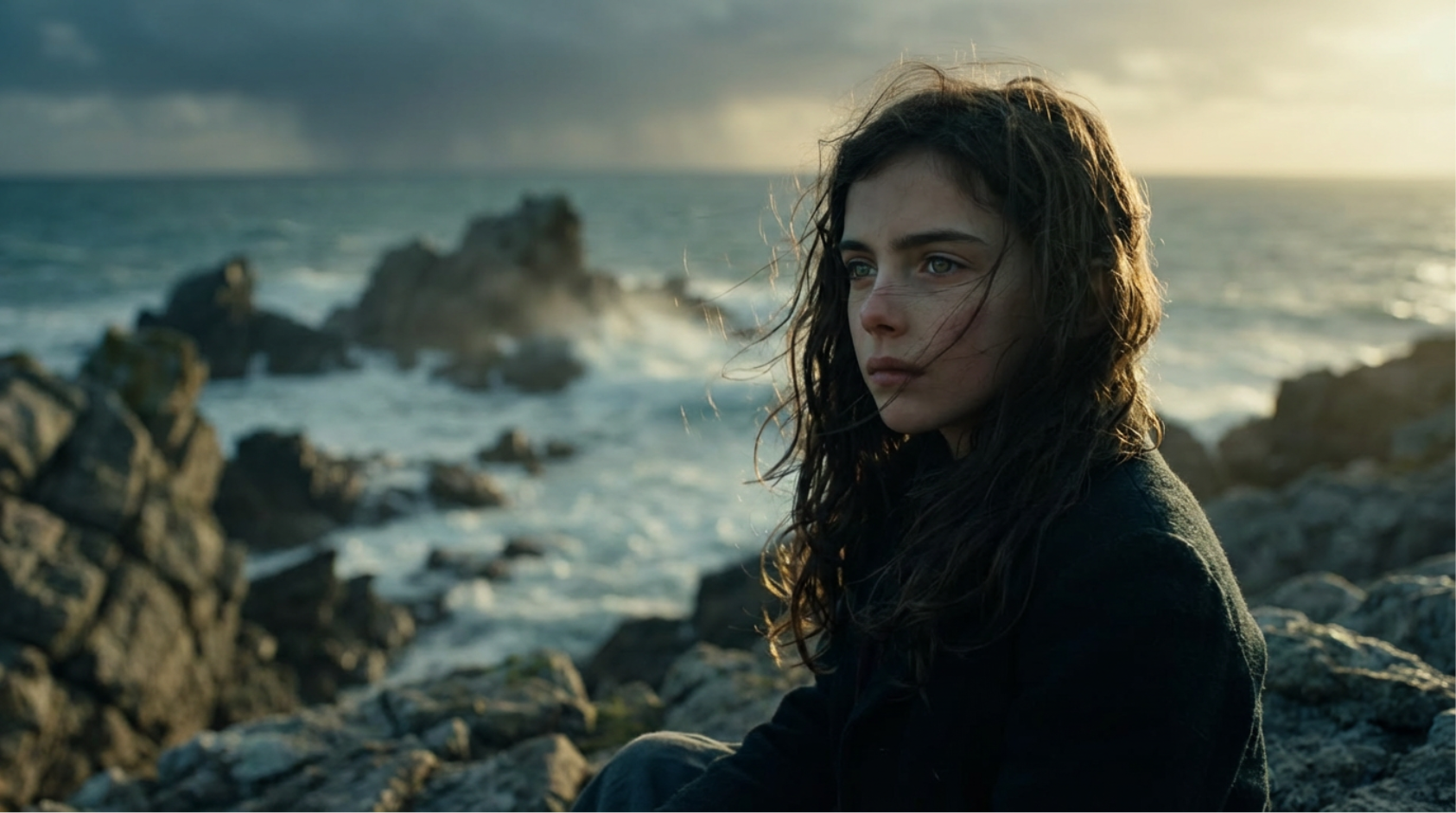
A still image from my forthcoming GenAI project.
So when conversations flare up around AI-generated characters like Tilly Norwood, I can’t help but think: she’s Mickey Mouse. Literally. She’s a digital character that still requires human creators, human directors, human writers, human voice performers. The fidelity is new. The concept isn’t.
And the system can work. SAG-AFTRA’s approval of Kavan Cardoza’s Echo Hunter proved it. Actors were compensated. Models were trained on their likenesses, with consent. They did motion capture. They did voice work. That’s the future functioning correctly: consent, credit, compensation, opportunity. It’s already happening.
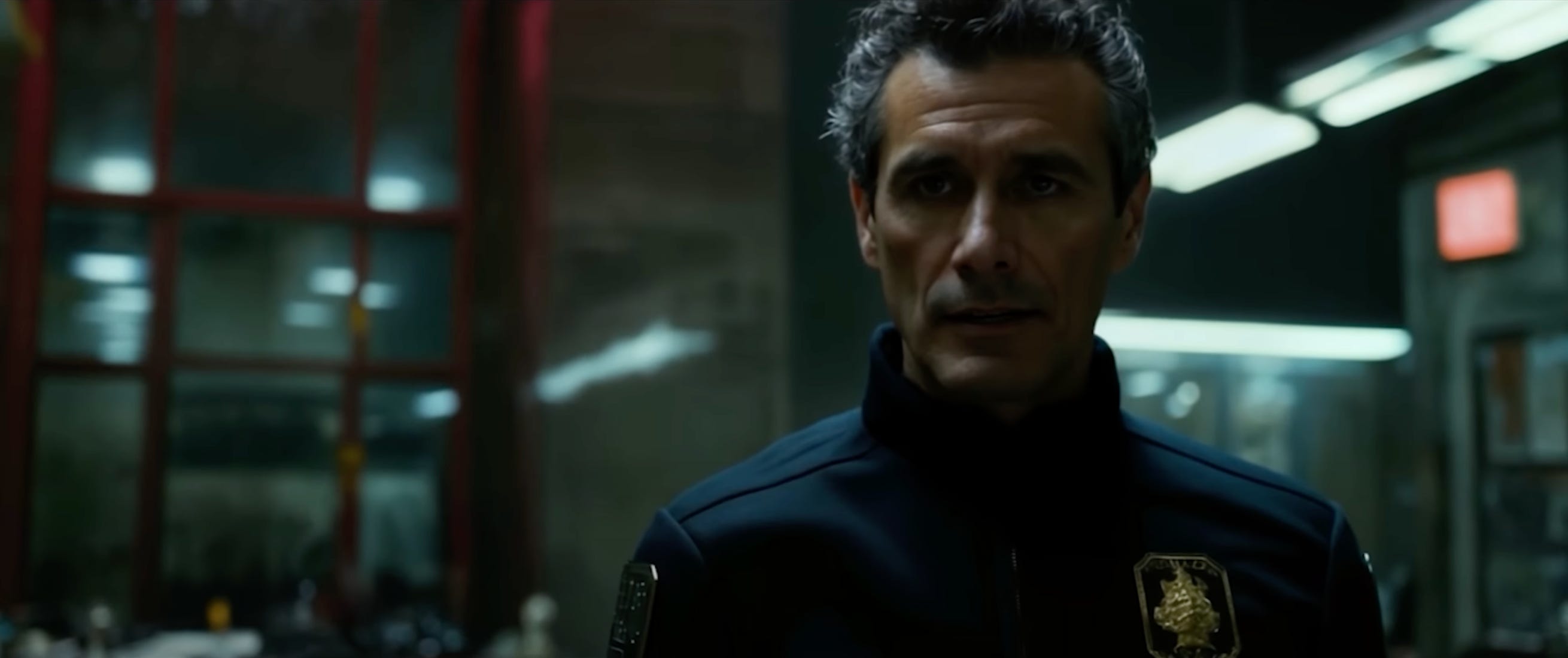
Echo Hunter
Is it democratizing? I don’t know yet.
It may actually become more exclusive at the top, and if history is any guide, that exclusivity will look familiar. The same systemic barriers that have always determined who gets the biggest budgets, the greenlit franchises, the seats at the table, don’t disappear just because the tools change. They adapt. The danger isn’t just consolidation. It’s consolidation that looks like progress while reproducing the same patterns.
Or it may fracture into multiple sustainable lanes instead of one impossible bottleneck.
What I do know is this: more content will be made. And more content - done responsibly - creates more opportunities, not fewer.
The Actor’s Perspective No One Is Saying Out Loud
From an actor’s perspective, this moment isn’t clean. There is loss. Anyone pretending otherwise isn’t being honest.
But there’s also continuity.
In the past, I’ve voiced projects I also directed and edited. I’ve been a one-stop shop - not out of novelty, but necessity. That’s the reality for most independent filmmakers. We’ve always had to be hybrids. Multi-hyphenates.
This isn’t radically different. It’s an extension of the same survival logic creatives have always used.
Some people will adapt faster. Some will become hybrids. Some will resist entirely. That’s not new either.
Framing the Moment Correctly
The question isn’t whether AI replaces actors.
The real questions are whether we protect consent, protect compensation, and design systems that expand opportunity instead of concentrating power.
Because technology doesn’t decide outcomes. Business models do.
If we frame this moment honestly - as the emergence of a new medium rather than the erasure of an old one - we can shape what comes next.
If we don’t, someone else will.